
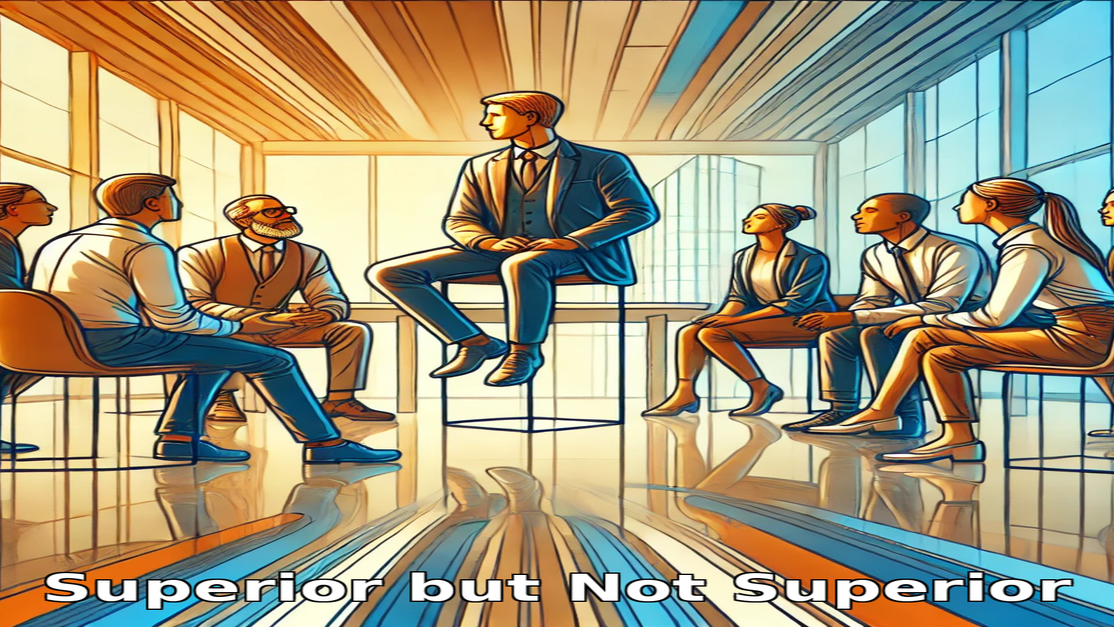
When Malhotra walks out of his cabin, his employees who occupy cubicles around his cabin area make a note of it, quickly adjust their seating positions, stop conversations with fellow colleagues and pretend to be grossly involved in work.
Managers like Malhotra are very common in the corporate world. They expect people to behave in a particular way when they are around. They expect people to show respect to them because they happen to be superiors.
In the corporate world, ‘superiors’ is a term often used to refer managers. The term implies authority, power, seniority and hierarchy. While authority is necessary for organizational structure, problems arise when managers interpret “superior” as a reflection of their personal status rather than their role in the system.
Such superiority often manifests as micromanagement, condescension, and an inflated sense of self-importance. But true leadership doesn’t demand superiority—it calls for equality in mindset and humility in practice.
The Problem with Being a “Typical Superior”
When managers behave like typical superiors, they create barriers that stifle collaboration, innovation, and trust. Here’s how such behavior impacts their teams:
- Erosion of Trust: Employees find it difficult to trust managers who appear unapproachable or overly authoritative. When a superior focuses on being in charge rather than being supportive, it breeds insecurity and disengagement.
- Reduced Creativity and Initiative: A manager who dominates discussions or dismisses input inadvertently shuts down opportunities for creative ideas. Employees hesitate to share opinions, fearing criticism or disregard.
- High Turnover Rates: Subordinates often leave organizations because of poor management, not the work itself. A "superior" who is perceived as dismissive or arrogant drives talent away.
- Low Morale: Constant reminders of hierarchy can make employees feel undervalued, leading to resentment, stress, and poor performance.
Shifting Beliefs: The Mindset of an Equal
Managers who embrace equality over superiority adopt a very different mindset. This mindset, by default, empowers their teams and fosters collective growth. Key beliefs such leaders hold include:
“I’m here to serve my team, not rule them.”The role of a manager is to enable, not dominate. This belief shifts the focus from control to facilitation.
“Everyone has unique strengths and perspectives.”Recognizing that subordinates bring value to the table creates a culture of respect and collaboration.
“Mistakes are opportunities, not failures.”Leaders who foster a safe environment for learning encourage innovation and resilience.
“Titles don’t define worth.”A true leader sees every individual, regardless of position, as equally valuable to the team’s success.
Benefits of an Equal Approach
Adopting a mindset of equality and practicing these behaviors creates transformative outcomes:
- Higher Engagement: Employees feel valued and motivated when their manager treats them as equals.
- Improved Collaboration: An inclusive leader fosters a space where ideas flow freely, leading to innovative solutions.
- Loyalty and Retention: Subordinates are more likely to stay with a leader who respects and empowers them.
- Stronger Team Performance: When employees feel trusted, they take ownership of their work, leading to higher productivity.
Paradox – Superior but Not Superior
The best managers are those who embody the paradox of being “superior but not superior.” While their role may place them above others in the organizational hierarchy, their mindset and behaviors reflect equality, humility, genuine commitment for people development and team’s success.
True leadership lies not in being superior to others but in bringing out the best in them.
Are you a Superior? or a Superior but Not a Superior?